
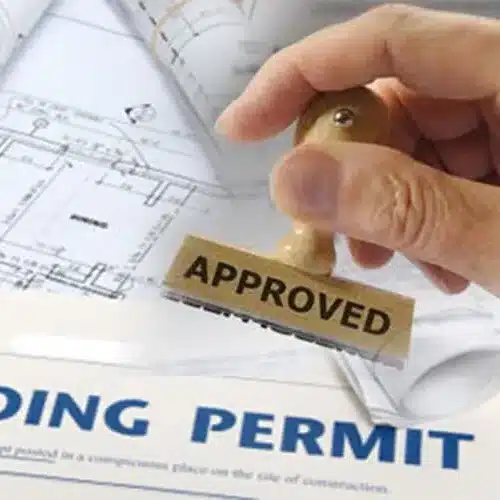
Navigating business sign permit requirements in the City of Los Angeles can be a complex task for local business owners. Whether you’re opening a new retail shop in Downtown LA or updating signage at your suburban office in greater Los Angeles, understanding the rules that govern signage is essential. Permits help ensure your sign is both safe and compliant with local code, while protecting your business from costly fines or delays.
At Los Angeles Sign Company, we’ve helped countless clients work through this process. This guide walks you through how sign permits work, who’s responsible for them, and how to avoid common missteps.
Understanding the Purpose of Business Sign Permits
Why cities regulate commercial signage
Municipalities like the City of Los Angeles enforce signage regulations to maintain the visual character, safety, and livability of local neighborhoods. These codes ensure that business signs don’t pose physical hazards or overcrowd public spaces. Check out our regulate commercial signage across the city for more details.
For instance, a poorly placed sign can obstruct traffic visibility or create hazards during strong winds. Unregulated signage can also contribute to visual clutter across LA’s diverse communities, from arts districts to historic zones.
How permits protect safety, aesthetics, and code compliance
Requiring a permit gives local officials a chance to review the design and placement of a sign before it’s installed. This process checks for:
- Structural safety
- Electrical wiring compliance
- Adherence to size restrictions
- Compatibility with zoning codes
In Los Angeles, where aesthetic consistency is important across business corridors, permits help balance advertising with community standards.
Types of Sign Permits Required in Los Angeles
Overview of common permit categories (wall signs, monument signs, etc.)
Different types of signs trigger different permit needs. The most common permit categories in Los Angeles include:
- Wall signs: Attached flat to the exterior wall of a building.
- Monument signs: Ground-mounted with independent structural elements.
- Pole signs: Elevated freestanding signs, often used in shopping centers.
- Canopy or awning signs: Letters or graphics placed on overhangs.
- Projecting signs: Mounted perpendicular to the wall, often above sidewalks.
Each type has size, height, and design restrictions based on zoning.
Temporary vs. permanent signage permits
The City distinguishes between temporary and permanent signs:
- Temporary signs (e.g., banners, grand opening announcements) usually have more relaxed requirements but are limited by duration.
- Permanent signs require full plan reviews, structural details, and often inspection post-installation.
Understanding which category your sign falls under is the first step to compliance.
When a Permit is Required for a Business Sign
Signs that typically require a permit in LA
In most cases, if your sign is new, electrified, or structurally mounted, it will require a permit. These include:
- Illuminated signs
- Large window graphics
- Freestanding signage like pylons or monument signs
- Wall signs over a certain square footage
Even replacing an old sign with new branding might need a permit, especially if dimensions or lighting change.
Exceptions and signs that may not need permitting
Some signs are exempt, assuming they meet certain conditions:
- Non-illuminated window signs occupying less than 10% of the window area
- Temporary real estate and construction signs
- Small directional signs within private property
However, always confirm with the Department of Building and Safety or a local signage expert before assuming an exemption.
The Permit Application Process Step by Step
What documents and plans are usually needed
A successful permit application in Los Angeles typically includes:
- Scaled sign drawings: Including dimensions and placement on the property.
- Site plan or building elevation: Showing where the sign will go.
- Engineering calculations: For structural loads, especially for freestanding signs.
- Electrical plans: If your sign includes lighting.
- Zoning clearance or approvals: From the planning department as needed.
Submitting a complete package helps avoid delays. Learn more about documents and plans are usually needed.
Typical review timelines and submission methods
- Initial submission: Online or in-person at LADBS.
- Plan review: Can take anywhere from 2-4 weeks depending on complexity and district.
- Corrections phase: If the city requests revisions, the timeline may extend.
- Permit issuance: After approval and fee payment, work can begin.
Electronic Plan Check (EPC) portals are used in many districts, including Downtown Los Angeles.
Who Is Responsible for Pulling Permits in Southern California
Differences between business owners and licensed contractors
One of the most common questions is: Who pulls permits for business signs?
In most cases, licensed signage contractors are responsible for pulling the permit on your behalf. They understand structural codes, submittal formats, and can represent you before city review staff.
Business owners can sometimes apply themselves-but unless you’re familiar with the technical documentation, it’s rarely efficient.
How permitting responsibility impacts project planning
Clarifying this early helps avoid misunderstandings or delays. Partnering with a signage contractor who handles permitting ensures:
- Accurate documentation is submitted.
- Installation complies with signed-off plans.
- Your project timeline aligns with permit lead times.
At Los Angeles Sign Company, we manage permits end-to-end alongside our design and fabrication services.
Avoiding Common Mistakes in Sign Permit Applications
Incomplete plans or missing documentation
One of the most frequent issues we see is incomplete application packages. Common missing elements include:
- Structural calculations for large signs
- Electrical drawings for illuminated signage
- Clear property line references in zoning maps
Each of these can send your application back for corrections, resetting timelines.
Misreading sign code dimensions or zoning rules
Misreading zoning allowances-like maximum sign height or total area allowed based on frontage-can result in immediate rejections. Pay special attention to:
- Setback requirements
- Sign copy area limits
- District-specific overlays or prohibitions
Avoiding these common mistakes in sign permit applications saves time and rebuild costs.
Understanding City Permit Rules for Commercial Signage
How LA’s sign code varies by district or neighborhood
The city permit rules for commercial signage vary drastically by location-what’s allowed in one part of Los Angeles might be restricted in another.
Examples:
- Downtown LA: Urban signage overlays with creative flexibility.
- Hollywood and Wilshire districts: Historic preservation concerns may apply.
- Valley areas: Suburban zoning often limits sign height and lighting.
Each zoning designation (e.g., C2, M1, CR) has its own signage limits-knowing your zone code is essential.
Historic zones and special overlay areas to be aware of
If your business is located in:
- Historic Preservation Overlay Zones (HPOZs)
- Scenic corridors
- Transit-oriented development overlays
You may face additional signage restrictions. These often require design review board approvals before permits can even be submitted.
Sign Code Compliance Considerations for Small Businesses
Balancing brand visibility with legal limitations
For smaller retail businesses and service providers, the challenge is maximizing branding without violating code. This means:
- Prioritizing high-contrast, legible designs
- Utilizing window graphics within allowed coverage limits
- Staying within square footage based on frontage
Good design meets visibility needs and keeps you within legal limits. See our guide on scale and location affect signage approval.
How scale and location affect signage approval
Sign size allowances are often calculated by:
- Building frontage length
- Distance from property lines
- Number of businesses per parcel (for multi-tenant centers)
For example, a 20-foot-wide storefront might be allowed only 20 square feet of signage. Understanding how scale, location, and district affect approval helps small businesses plan effectively.
Conclusion
Getting your business signage installed is exciting, but skipping the permit process can set you back. Understanding business sign permit requirements in Los Angeles gives you the tools to plan better and avoid costly delays.
If you’re feeling overwhelmed or unsure where to start, Los Angeles Sign Company is here to help. We manage permitting, design, and installation-so your signage checks every box, from code to creativity.
Frequently Asked Questions
Why does the City of Los Angeles require permits for commercial signs?
The City of Los Angeles regulates signage through the Department of Building and Safety to ensure public safety and community aesthetics. Permits confirm that a sign is structurally sound to withstand wind loads and that all electrical components meet fire safety standards. Additionally, these regulations prevent visual clutter and ensure that signs do not obstruct traffic visibility or neighboring properties.
Which types of business signs typically require a permit in LA?
Most permanent signs in Los Angeles require a permit, especially those that are illuminated or structurally mounted. This includes wall signs, monument signs, pylon signs, and even large window graphics that exceed a certain percentage of the glass area. Replacing an existing sign with a new one also requires a new permit if the dimensions or lighting elements are changed.
Who is responsible for obtaining a sign permit in Los Angeles?
While a business owner can technically apply, it is standard practice for a licensed signage contractor to handle the permitting process. Licensed professionals have the technical expertise to provide required engineering calculations and scaled drawings. Using a contractor ensures that the person pulling the permit is also responsible for making sure the final installation matches the city approved plans.
What happens if I install a business sign without a permit?
Installing a sign without a permit in Los Angeles can lead to significant legal and financial consequences. The city may issue a code violation notice, resulting in daily fines until the sign is removed or a retroactive permit is obtained. In many cases, unpermitted signs that do not meet current zoning codes must be completely removed and replaced at the owner’s expense.
