
Selecting the right signage can make a significant difference in how your business stands out in a competitive market like Los Angeles. With options ranging from classic neon or fluorescent signs to modern LED displays, understanding the strengths and limitations of each can help you make the best decision. In this post, we’ll compare LED vs traditional signage and explore how their differences influence factors like cost-efficiency, visibility, maintenance, and local regulations – to guide Los Angeles businesses in choosing the ideal solution.
Understanding the Role of Business Signage in Los Angeles
Why signage matters for visibility and branding
In a bustling and visually competitive environment like Los Angeles, signage is more than just an identifier-it’s a critical branding tool. Effective signage improves visibility and readability, helping businesses stand out to both foot traffic and drivers. A well-designed sign sets the tone for a company’s brand personality and builds recognition over time. Whether located along Ventura Boulevard or nestled in a downtown corridor, your sign often creates the first impression. Check out our signage matters for visibility and branding for more details.
Typical signage needs for local businesses
Businesses across LA, from boutique retail stores to restaurants, medical offices to creative agencies, rely on signage that reflects their unique identity while complying with local guidelines. Common signage types include:
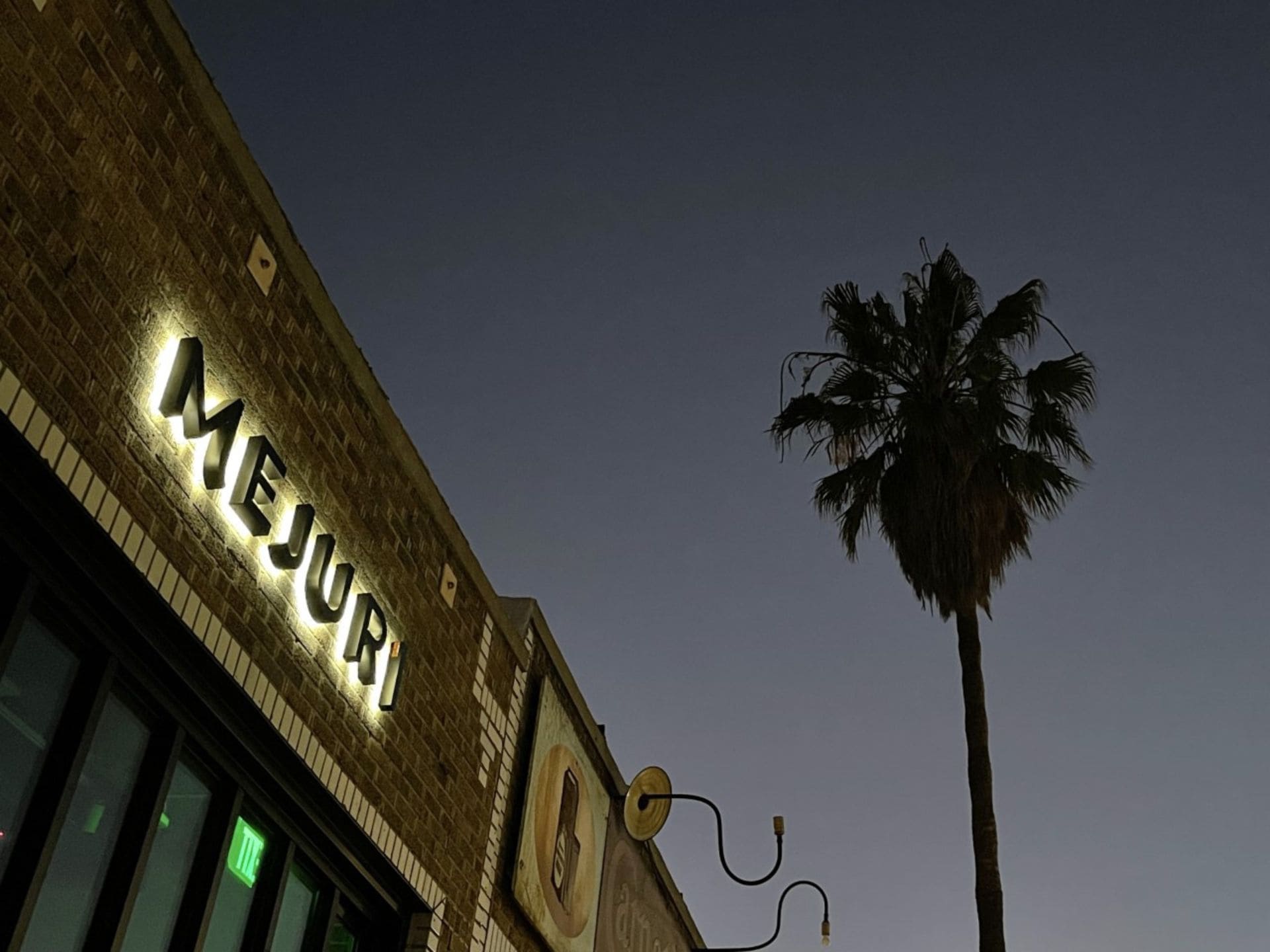
- Illuminated building signs for visibility at night
- Window graphics for storefront promotion
- Monument signs for commercial complexes
- Pole or pylon signs for roadside visibility
Choosing between LED and traditional options can influence how effectively these signage types perform in LA’s diverse environments.
Key Differences Between LED and Traditional Signage
How LED and traditional signs operate
LED signs use light-emitting diodes to produce bright, energy-efficient illumination. These signs can be static or dynamic, offering programmable features for messages or designs. In contrast, traditional signage typically relies on technologies like fluorescent bulbs, neon tubing, or incandescent lighting to create illumination.
The choice between the two affects not only how your sign looks but also how it functions in different lighting conditions and operational uses.
Materials and lighting technologies used in each type
LED signs frequently use:
- Aluminum or acrylic panels
- Internal LED modules
- Digital control units for dynamic text or graphics
Traditional signs may feature:
- Glass tubes (as in neon signs)
- Plastic sign faces
- External or internal fluorescent lighting
These material and technology differences affect overall durability and maintenance needs, as well as long-term performance.
Energy Efficiency in Business Signs: What You Should Know
Energy consumption comparison between LED and traditional signs
LED signage significantly outperforms traditional lighting in energy efficiency. On average, LEDs consume up to 80% less energy than fluorescent or neon lighting. For businesses operating signs during extended evening hours-such as restaurants or 24/7 convenience stores in Los Angeles-this reduced power usage translates into notable cost savings.
Long-term operational costs related to energy use
Over time, the energy-efficient nature of LEDs reduces both electrical costs and the environmental impact of your business signage. You’ll also find fewer issues related to cooling, as LEDs emit far less heat than traditional light sources. In energy-conscious areas of Southern California, including Los Angeles, choosing LED signage aligns with both eco-friendly values and budget efficiency goals.
Maintenance and Lifespan Considerations for Business Signs
Typical maintenance needs for different signage types
When comparing sign maintenance requirements, LED signs typically require less routine upkeep. Most LED modules are designed to last for years with minimal servicing. Traditional signage, especially neon and fluorescent systems, often faces:
- Bulb replacements
- Gas recharging (in neon)
- Electrical repairs due to wear
Learn more about typical maintenance needs for different signage types.
How sign type impacts lifespan and reliability
LED signage can last up to 50,000-100,000 hours depending on usage and build quality. In contrast, traditional signs tend to have shorter operational lives and higher failure risks over time. With LA’s mix of sunny days and cool nights, signs endure cycles that can strain older technologies, making reliability a key consideration.
Visibility and Readability Factors in a Los Angeles Environment
Impact of lighting and color on sign readability
Visibility and readability factors are crucial in high-traffic settings like LA’s main streets. LED signs excel in clarity thanks to brightness and color contrast, remaining legible during daylight and after dark. Traditional signs can struggle during overcast days or under direct sun, especially as fluorescent lighting dims with age.
Design considerations for high-traffic or low-visibility areas
Los Angeles’ diverse layout presents challenges like glare from nearby building lights or competition with neighboring signage. To ensure readability:
- Use high-contrast color schemes (e.g., white on navy)
- Choose illumination that avoids backlight washout
- Strategically size lettering based on viewing distance
LED signs often offer greater control over these design features, including brightness adjustment and dynamic message rotation.
Durability in Outdoor Signage: Choosing Materials that Last
Weather conditions unique to Los Angeles to consider
While LA avoids harsh winters, it presents unique concerns such as:
- Prolonged UV exposure and sun fading
- Santa Ana winds and seasonal debris
- Air quality factors that affect material wear
Durability in outdoor signage is critical. Materials used should resist fading, cracking, and warping under Southern California’s climate conditions.
Common durability issues with different types of signs
Traditional neon or fluorescent signs can suffer from:
- Cracked tubes due to vibration
- Rust around exposed metal fixtures
- Premature dulling from sun damage
LED signs, constructed with sealed, weather-resistant casings, typically offer better resilience. This means longer-term outdoor performance with fewer service calls, making them a solid choice for LA properties seeking low-intervention signage.
Permitting for Business Signs in Los Angeles
Overview of city regulations for sign installation
Permitting for business signs in Los Angeles is governed by regulations from the Department of Building and Safety, with requirements varying by:
- Zoning (commercial vs. residential corridors)
- Sign type and placement (attached, freestanding, illuminated)
- Size and height restrictions
Permits are often required before fabrication or installation begins, especially for signs with electrical components. See our guide on city regulations for sign installation.
Key factors that affect permitting for LED vs traditional signs
Because LED signs may include digital or animated elements, they are subject to stricter permitting scrutiny. Key factors include:
- Brightness standards and nighttime limitations
- Emission schedules for dynamic signs
- Compatibility with neighborhood aesthetics
Traditional signs might face fewer restrictions due to their static nature, but still require permits for size, placement, and illumination. Los Angeles Sign Company can help navigate these permitting processes to ensure your signage complies from day one.
Making an Informed Choice: Factors to Consider for Your Signage
Balancing upfront cost with long-term value
While LED signs generally cost more upfront than traditional options, they tend to pay off in:
- Lower energy bills
- Minimal maintenance
- Longer lifespan
When weighing LED vs traditional signage, factor in total cost of ownership-not just the initial investment.
Business type and location considerations
The best signage solution depends on:
- Industry type: Restaurants, gyms, and retail stores often benefit from vibrant, dynamic LED signs.
- Location specifics: Businesses in tourist-heavy areas like Hollywood or Venice Beach face different readability and zoning needs than those in B2B districts.
Knowing your environment and customer flow is crucial to making the right signage decision for your Los Angeles business.
Conclusion
Whether you run a boutique on Melrose or a franchise on Sunset Boulevard, choosing between LED and traditional signage can impact your business’s visibility, maintenance needs, and operating costs. LED signs offer long-term efficiency and performance, while traditional signs may meet simpler needs at a lower upfront cost.
At Los Angeles Sign Company, we help local businesses find signage solutions that fit their brand, budget, and local compliance requirements.
Ready to upgrade your signage in Los Angeles? Contact us today for expert guidance, permitting support, and custom design solutions tailored to your business.
Frequently Asked Questions
Which is more cost-effective for a Los Angeles business, LED or traditional signage?
While traditional signs often have a lower upfront cost, LED signage is generally more cost-effective in the long run. In Los Angeles, where energy rates are a major factor, LED signs can save up to 80% on power consumption compared to neon or fluorescent options. Additionally, LEDs require significantly less maintenance, often lasting 50,000 to 100,000 hours, which reduces the frequency of expensive service calls for bulb replacements or gas recharging.
Are there specific Los Angeles city regulations for LED and digital signs?
Yes, the Los Angeles Department of Building and Safety (LADBS) has strict guidelines for illuminated and electronic signs. LED signs that include digital message centers or animation are subject to specific zoning rules, brightness standards, and nighttime dimming requirements to prevent traffic hazards. Because these signs are more complex, they often require a more rigorous permitting process and structural engineering review than a standard static sign.
How does the Los Angeles climate affect the durability of business signs?
Los Angeles’ intense UV exposure and seasonal Santa Ana winds can be tough on traditional signage materials. High heat can cause neon glass tubes to become brittle and fluorescent ballasts to fail prematurely. LED signs are typically more resilient because they use solid-state technology and weather-sealed casings that better withstand the constant sun exposure and temperature fluctuations typical of Southern California.
What maintenance is required for traditional neon vs. LED signage?
Traditional neon signs require specialized care, including periodic gas recharging and transformer repairs, which must be handled by a trained technician. They are also fragile and prone to breaking from vibrations or debris. In contrast, LED signs are much lower maintenance; they don’t use breakable glass or high-voltage gas, meaning upkeep is usually limited to simple external cleaning and the occasional replacement of a power supply every 5–7 years.
