
For local businesses in Los Angeles, standing out in a saturated market can be challenging. From bustling shopping districts to busy boulevards, visibility plays a massive role in capturing foot traffic and reinforcing brand recognition. This is where channel letter signs come into play. Designed for impact and built to last, they offer numerous advantages for businesses looking to elevate their exterior branding in Southern California’s competitive environment.
In this post, we’ll explore the channel letter sign benefits, delve into how they compare with other signage types, and provide practical insights tailored to businesses right here in LA.
Understanding What Channel Letter Signs Are
Common features of channel letters
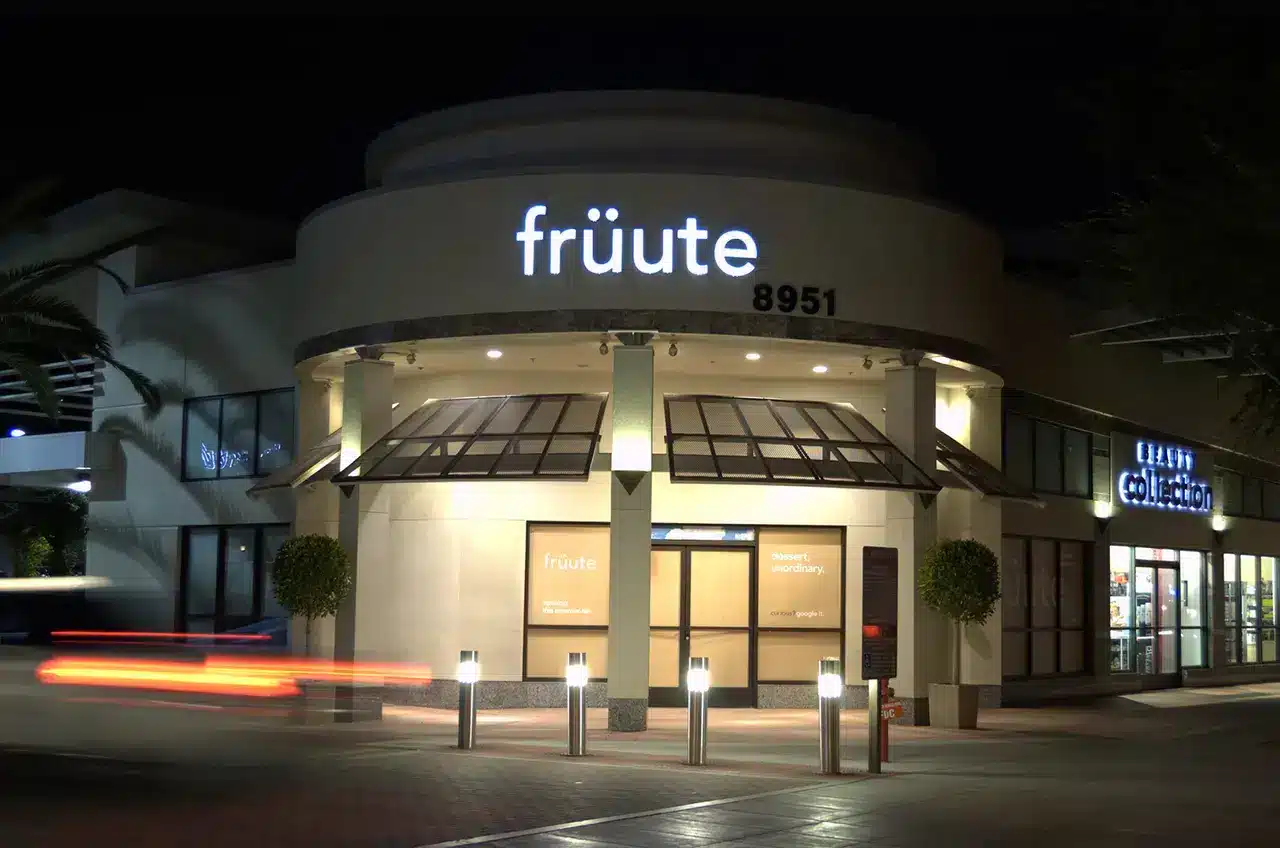
Channel letter signs are three-dimensional, custom-made letters or shapes often illuminated from within, designed to be mounted directly onto building exteriors. They are typically crafted from durable aluminum and acrylic, offering a sleek, professional appearance. Check out our custom sign services tailored to branding for more details.
Key features include:
- Individual letters or logos with depth, creating a dimensional look
- LED or neon lighting for illumination
- Aluminum backs and returns for structural strength
- Acrylic or plastic faces for visibility and color flexibility
These signs are not printed or flat – each character stands alone, giving depth and physical presence to the brand name or logo.
How they differ from other commercial sign types
Compared to other forms of commercial signage, channel letters offer a higher degree of customization and visual appeal. Unlike flat vinyl banners or simple box signs, channel letters project outward from the building surface, literally and figuratively enhancing a brand’s image.
They differ from:
- Box signs, which house all lettering in a single rectangular cabinet
- Panel signs, which offer text on a flat surface without dimensionality
- Monument signs, which are free-standing and placed near entrances but not mounted on buildings
Channel letter signs are especially effective for storefronts that demand a professional and upscale look across various industries, from retail to hospitality.
Key Benefits of Using Channel Letter Signs in Los Angeles
Los Angeles presents a unique environment for signage. Between city regulations, a range of architectural styles, and a competitive visual landscape, smart signage choices matter more than ever.
Improved visibility in high-traffic areas
- 3D Design: Channel letters catch attention from multiple angles due to their protruding structure.
- Illumination: Built-in lighting makes them readable day and night – a must in LA’s 24/7 hustle.
- Size Customization: These signs can scale to match the architectural prominence of your building.
Whether your storefront is on Melrose Avenue or nestled in a busy plaza in Santa Monica, improved visibility translates directly to increased brand awareness.
Durability in the Southern California climate
The Southern California sun, smog, coastal winds, and occasional rain can wear down lesser signage. Channel letters are built with weather-resistant materials like powder-coated aluminum and UV-resistant acrylics, designed to last without fading, corroding, or cracking.
Customization options for different business types
From boutique coffee shops in Silver Lake to corporate offices in Downtown LA, channel letters can be tailored in:
- Font styles that reflect your branding
- Color schemes approved by franchise or custom brand guidelines
- Lighting configurations and mounting choices
This flexibility makes them a preferred solution for creating a unique, on-brand identity across all industries.
Comparing Channel Letters and Box Signs
Visual and structural differences
Understanding channel letters vs box signs starts with their construction:
- Channel Letters: Individual letters mounted separately or on a raceway; often backlit or front-lit for enhanced visibility.
- Box Signs: Also known as cabinet signs, these encase the entire sign message within a single frame or box.
While box signs may serve well in small retail centers, channel letters offer a more modern and sophisticated look.
Situational pros and cons for each option
- Channel Letters Pros:
- High-end appearance
- Better visibility at night
- Greater design flexibility
- Box Signs Pros:
- Lower all-in cost
- Easier permit approval in some zones
- Ideal for simple branding messages
In LA, where branding often carries a premium, many businesses opt for channel letter signage to elevate their storefronts.
Which sign types suit different building facades
- Brick or textured surfaces: Channel letters with spacers for mounting
- Modern glass buildings: Raceways with clean backings
- Strip malls: Box signs may be more common, but landlords are increasingly allowing raceway-mounted channel letters for updated aesthetics
Types of Channel Letter Signage to Consider
Front-lit, back-lit, and dual-lit options
Each lighting option for channel letters serves a specific branding need:
- Front-lit: LEDs shine through the face; ideal for bold visibility.
- Back-lit (halo-lit): Light shines behind the letters, creating a glow around the edges for an elegant effect.
- Dual-lit: Combines both front and back illumination; often used in upscale retail and restaurants.
Non-illuminated channel letters
For daytime-only businesses or where lighting restrictions apply, non-illuminated letters offer the same dimensional look at a lower cost. These are commonly seen on professional offices or historic buildings.
Mounting methods and their applications
- Direct Mount: Letters attach individually to the facade – clean and modern.
- Raceway Mount: All letters are secured to a mounted bar – easier to install and remove.
- Backer Panel Mount: Letters and raceway attach to a colored panel – adds contrast and meets design guidelines.
Your installer can recommend the best method based on your location’s wall surface and city codes.
Design Considerations for Effective Commercial Signage
Balancing brand identity with city restrictions
In Los Angeles, sign design must meet zoning codes – which sometimes dictate letter height, illumination types, and placement. When planning, it’s important to combine professional design with city compliance to avoid delays. Learn more about professional sign design support.
Choosing colors, fonts, and materials that stand out
Your signage needs to match your brand while standing out from its surroundings:
- Bright but readable colors dominate in high-sunlight areas like Venice or Glendale
- Bold fonts perform better from a distance
- Materials like brushed metal or acrylic offer high-end appeal with long-lasting resilience
Evaluating visibility based on building location
Signs on busy intersections need different sizing and lighting than those in quiet pedestrian areas. Factors to plan for:
- Line of sight from nearby roads
- Daytime shadows from surrounding buildings
- Competing signage in shared shopping centers
Permitting Requirements for Signs in Los Angeles
Common permit categories for channel letters
The permitting requirements for signs in Los Angeles vary but generally fall under:
- Wall sign permits: For building-mounted signage like channel letters
- Electrical permits: Needed for illuminated signs
- Design review approvals: Certain districts require extra steps for aesthetic review
Steps in the City of Los Angeles signage approval process
- Pre-Permit Check: Ensure zoning allows your signage type.
- Design Submission: Include layouts, lighting plans, and building elevation images.
- Permit Application: File with the Department of Building and Safety.
- Inspection & Approval: Post-installation site visit for code compliance.
Working with property managers and historic district rules
Commercial buildings, especially in LA’s older neighborhoods, may have extra guidelines set by property management or preservation boards. Work closely with your signage company to coordinate approvals and avoid costly changes. See our guide on sign permitting experience in Los Angeles.
Lighting Options for Channel Letters
Overview of LED illumination choices
Most modern channel letters use energy-efficient LED lighting, which provides:
- Long-lasting brightness
- Lower utility costs
- Multiple color temperatures to match brand tone
Energy efficiency and maintenance considerations
LEDs can last over 50,000 hours, making them ideal for reducing long-term sign maintenance. They also generate less heat, lowering the risk of damage and fire hazards.
How lighting impacts nighttime readability
Illumination quality directly influences how easily your business is seen after dark. Halo-lit or dual-lit designs offer a striking, modern glow perfect for nightlife-heavy zones like Hollywood or Koreatown, while front-lit signs are best for direct readability along streets like Ventura Boulevard.
Factors That Affect Channel Letter Sign Cost
Material types and lighting features
- Aluminum vs Stainless Steel: Steel costs more but offers a luxury finish.
- Lighting Type: Dual-lit signs cost more than single-lit or non-illuminated options.
Installation complexity and access issues
Signs placed on high-rise buildings or complicated façades involve additional equipment and time, which increases labor costs. Accessibility and safety certification also influence pricing.
Permit fees and local code compliance
Each Los Angeles district may add its own permitting fees. Historic zones or buildings under design review can delay approval and raise planning costs. An experienced local sign company can help you navigate this efficiently.
Conclusion
In the competitive Los Angeles business environment, high-quality signage is more than decoration-it’s a fundamental part of your branding strategy. From visibility and durability to design flexibility, the channel letter sign benefits are too significant to ignore. They offer a strong return on investment by capturing attention, reinforcing brand identity, and complying with the region’s unique requirements.
For tailored guidance and solutions that fit your location and brand, Los Angeles Sign Company is here to help. Let’s build signage that leaves a lasting impression. Request your quote today.
Frequently Asked Questions
What are the main benefits of using channel letter signs for a Los Angeles storefront?
Channel letter signs are highly effective in LA’s dense commercial corridors because they offer 24/7 visibility through internal LED lighting and a distinctive 3D design that catches the eye from multiple angles. Since each character is individually fabricated, they provide a professional, upscale look that reinforces brand recognition better than flat signs. This dimensionality ensures your business stands out even on visually crowded streets like Melrose Avenue or Ventura Boulevard.
What is the difference between a raceway mount and a direct mount?
A raceway mount involves attaching individual letters to a slim, metal box that houses the electrical wiring and power supplies, which is then mounted to the building. This is often preferred by LA property managers because it requires fewer holes in the facade. A direct (or flush) mount attaches each letter individually to the wall with the wiring hidden behind the surface. While direct mounting offers a cleaner, more architectural appearance, it is more labor-intensive to install and may be restricted by certain lease agreements.
How do different lighting options like front-lit and halo-lit affect branding?
The lighting style you choose sets the tone for your brand’s personality. Front-lit channel letters are the most common and shine brightly through the acrylic face, making them ideal for high-visibility retail. Back-lit (or halo-lit) signs shine light toward the building, creating a soft, sophisticated glow around the letters, which is perfect for high-end boutiques, spas, or corporate offices. Dual-lit options combine both for a dramatic, high-impact effect often seen in the entertainment and hospitality sectors of Hollywood and Downtown LA.
Do I need a permit for a channel letter sign in the City of Los Angeles?
Yes, nearly all exterior business signs in Los Angeles require a permit from the Department of Building and Safety (LADBS). This process includes obtaining a wall sign permit for the physical structure and an electrical permit for any illuminated components. Because LA has specific zoning codes, regulating factors like letter height, projection from the wall, and nighttime brightness, it is essential to have professional drawings submitted and approved before fabrication begins to ensure full compliance with local regulations.
